The Gift That Built an Empire
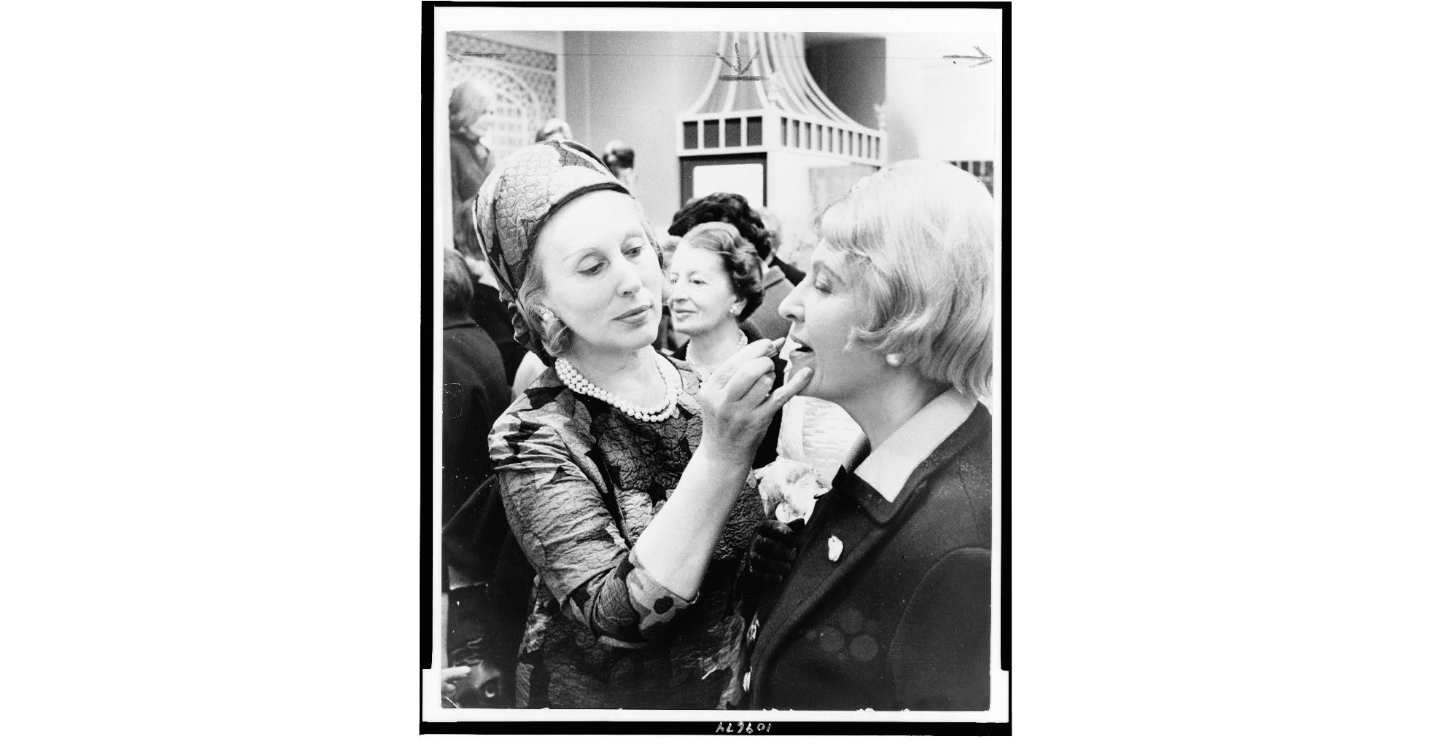
How a butcher’s daughter from Queens invented the most copied promotional mechanic in retail history — because Saks Fifth Avenue wouldn’t give her a counter.
The Archive
Historically grounded narrative nonfiction about the businesses, industries, and people who shaped the modern world.
How a butcher’s daughter from Queens invented the most copied promotional mechanic in retail history — because Saks Fifth Avenue wouldn’t give her a counter.
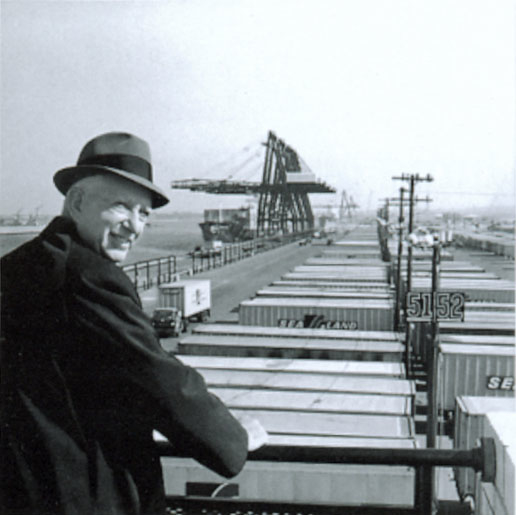
How a 23-year-old North Carolina truck driver, sitting in his cab on a New Jersey wharf in 1937, dreamed up the system that built global trade — and gave the patents away.
How a teenager’s promise at a Provençal cemetery built one of the most independent French luxury brands of his generation.
How a tailor's letter and a borrowed mining component became the skeleton of the most-worn garment in human history.
For twenty-two years, a quiet West German bureaucrat photographed NATO's most sensitive secrets and sent them to East Berlin. No one noticed until it was almost too late.
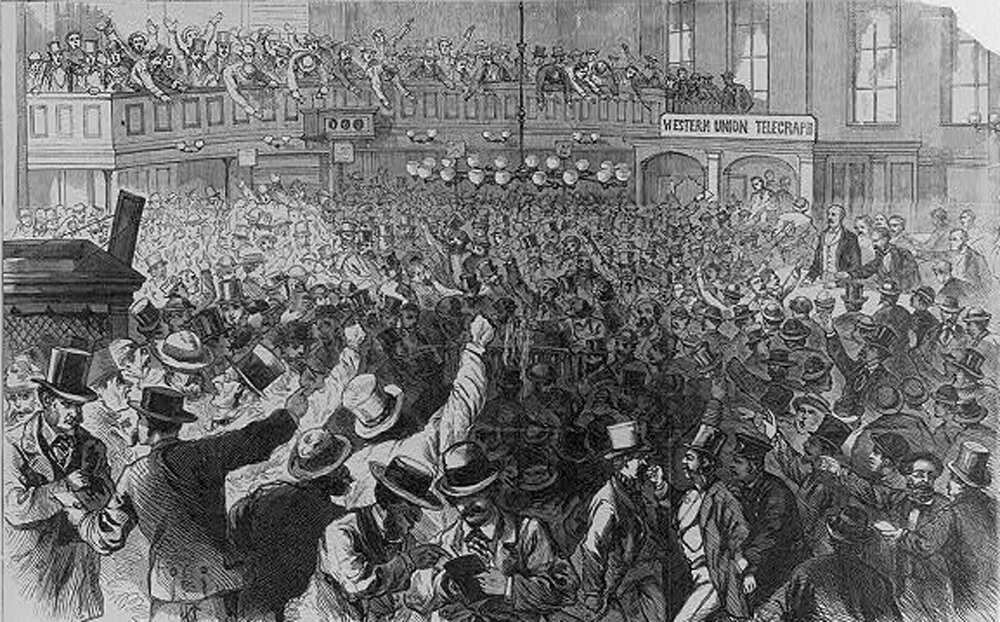
Jay Gould used the telegraph as a weapon to corner the gold market in 1869. The crash that followed destroyed thousands — and forced America to invent financial regulation.
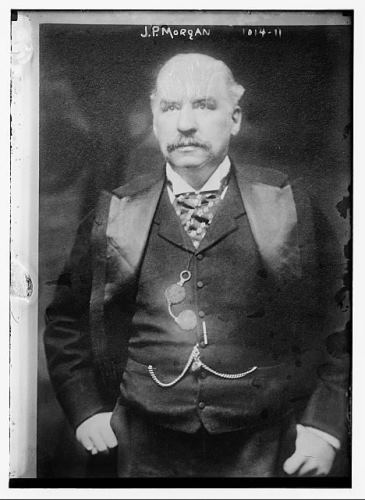
In 1907, with no central bank and no government rescue, J. Pierpont Morgan imprisoned forty bankers in his library and forced them to save the American financial system before dawn.
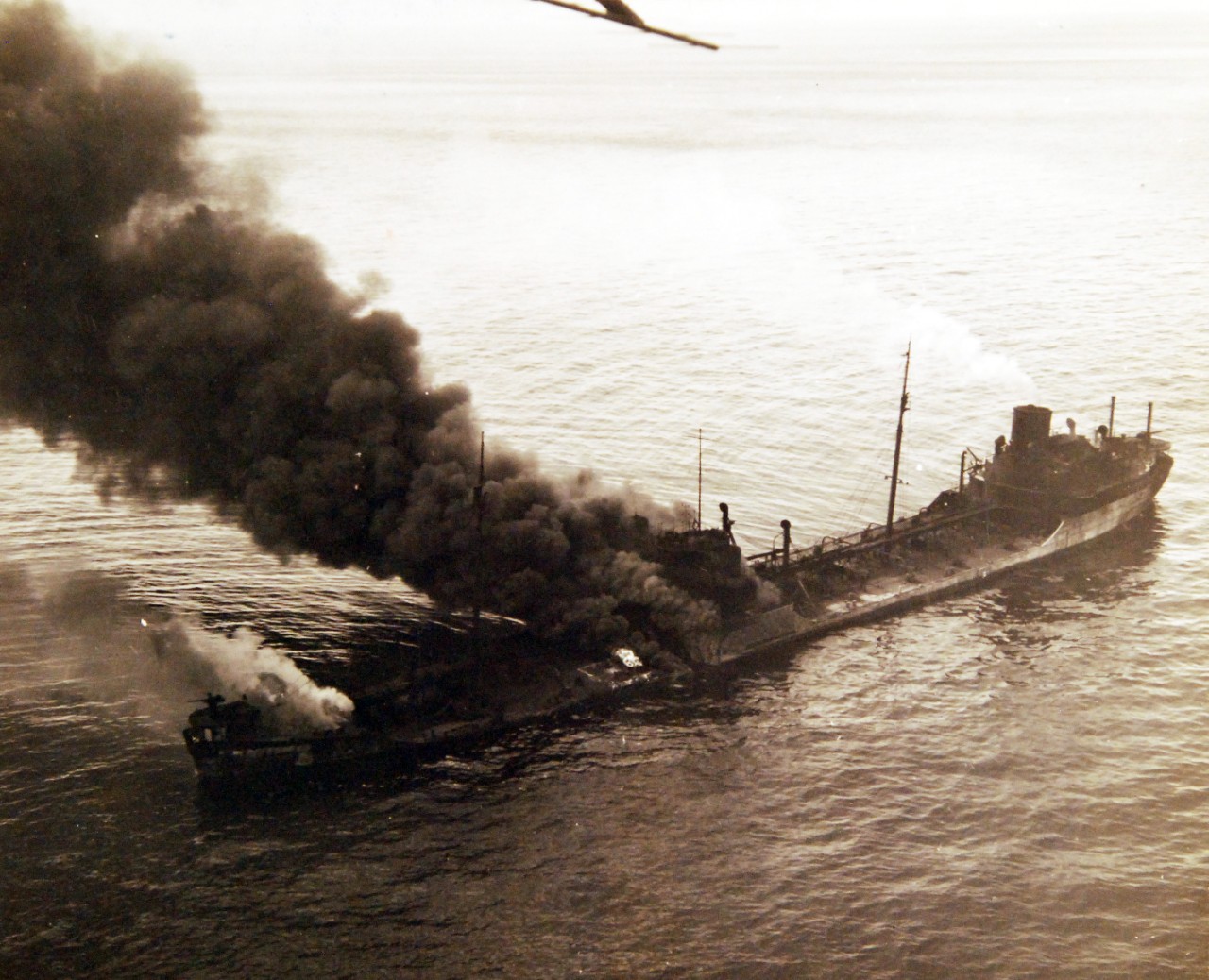
When U-boats sank his convoy, a merchant marine radio operator spent ten weeks adrift with a handful of survivors and a damaged life raft.
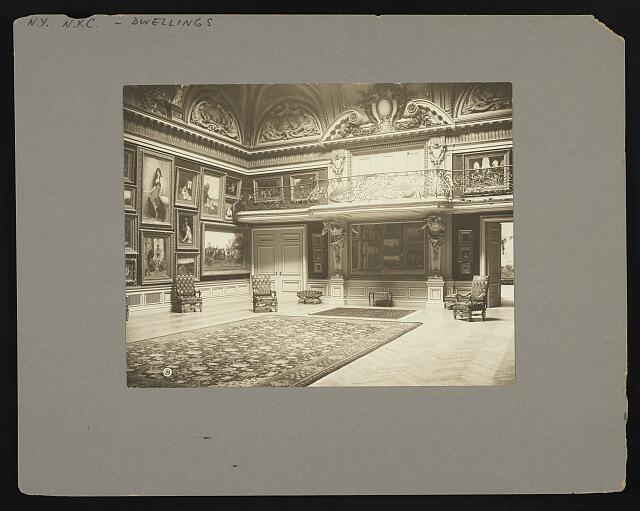
Mrs. Astor's final season was supposed to cement a social empire. Instead, a single invitation ignited the most spectacular collapse in American aristocratic history.
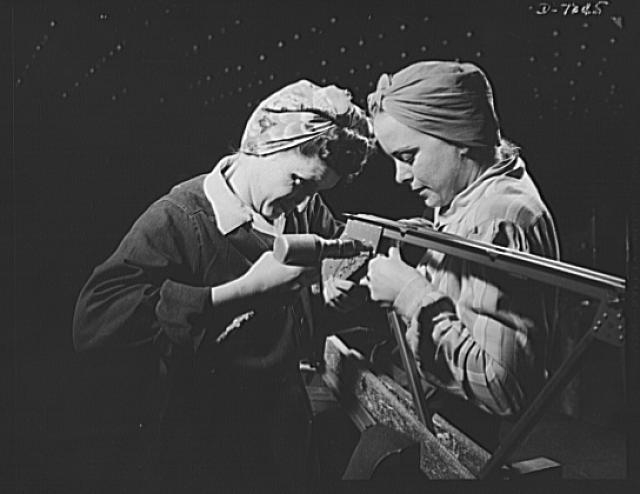
Six million women entered American factories between 1942 and 1945— and transformed not just war production, but the economics of the postwar workforce forever.
No stories match your current filters.